|
Francisco Tárrega: The Father of Modern Classical Guitar by Barry Lenson and Claude AI Francisco Tárrega y Eixea (1852-1909) stands as one of the most influential figures in the history of classical guitar, earning the title "father of modern classical guitar" for his contributions to both technique and repertoire. Born in Villarreal, in the province of Castellón, Spain, Tárrega transformed the guitar from a folk instrument into a respected voice in the classical music world. Early Life and Musical Education Tárrega’s musical journey began in childhood, despite his family’s initial reluctance. His father, the night guard at a nearby convent, preferred that Francisco pursue more practical endeavors. However, the young boy’s natural musical talent could not be suppressed. He began playing guitar at age ten and showed such promise that local musicians encouraged his development. After a brief stint at the Madrid Conservatory studying piano and composition, Tárrega chose to dedicate himself entirely to the guitar, recognizing its untapped potential as a concert instrument. Technical Innovations Tárrega’s most significant contribution lay in his approach to guitar technique. He abandoned the traditional method of playing with fingernails, instead developing a technique using only the fingertips. This innovation produced a warmer, more nuanced tone that better suited the intimate nature of his compositions. He also standardized the classical guitar’s sitting position and established fundamental principles of left-hand fingering that remain central to classical guitar pedagogy today. His technical innovations extended to the instrument itself. Tárrega worked closely with guitar makers, particularly Antonio de Torres, to develop instruments that produced greater volume. These collaborations resulted in guitars that could fill concert halls with sound while maintaining the instrument’s characteristic intimacy and expressiveness. Performance Career Throughout the 1880s and 1890s, Tárrega established himself as a leading classical guitarist through extensive concert tours. His performances in major cities across Spain, France, and other European countries elevated the guitar’s status from a parlor instrument to a legitimate concert hall presence. His concerts typically featured a mix of his own compositions, transcriptions of classical works, and traditional Spanish pieces, demonstrating the guitar’s versatility and expressive range. Tárrega’s performance style emphasized subtle dynamics, refined phrasing, and emotional depth rather than mere technical display. Contemporary accounts describe his playing as extraordinarily moving, capable of bringing audiences to tears through his sensitive interpretation of both his own works and transcriptions of pieces by Bach, Chopin, and other masters. Compositional Legacy As a composer, Tárrega created a large body of work. His compositions range from technically demanding concert pieces to accessible salon works, all characterized by their idiomatic writing and deep understanding of the guitar. His compositional style blended Spanish folk elements with Romantic harmonies and formal classical structures. Many of his works capture the essence of Spanish musical culture while maintaining sophisticated artistic merit. His tremolo studies, including his beloved work Recuerdos de la Alhambra, became foundational works in the classical guitar repertoire, establishing techniques that remain essential for serious guitarists. Death and Legacy Tárrega died in Barcelona in 1909, leaving behind a transformed instrument and a new generation of guitarists equipped to carry classical guitar into the twentieth century. His influence extends far beyond his own compositions; he established the foundation upon which later masters like Andrés Segovia would build the modern classical guitar repertoire. Today, Tárrega’s works remain central to classical guitar education and performance. His technical innovations continue to inform guitar pedagogy worldwide, and his compositions provide both students and professional performers with music that perfectly balances technical development with artistic expression. Compositions by Francisco Tárrega You Can Enjoy on Classical Archives* Works for Solo Guitar
* Please note that to listen to the recordings cited in this newsletter, you must be a member of Classical Archives. If you are not yet a member, we invite you to join now. |
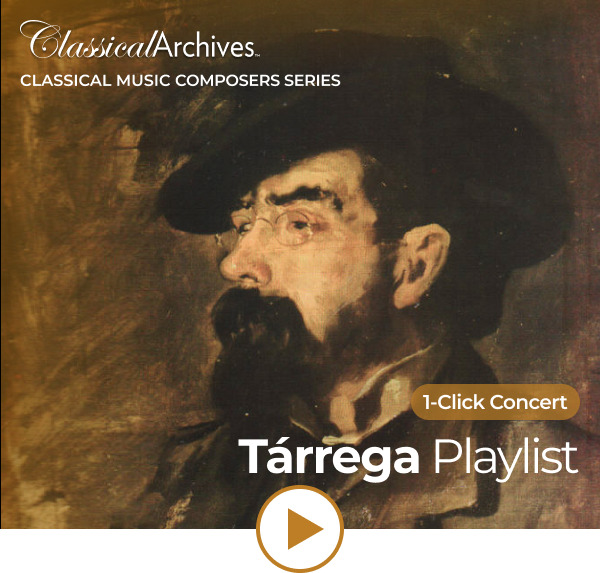
Enjoy our 1-Click Concert for Francisco Tárrega

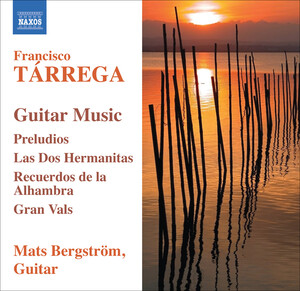
Try one of our recommended Francisco Tárrega’s music albums

New Releases
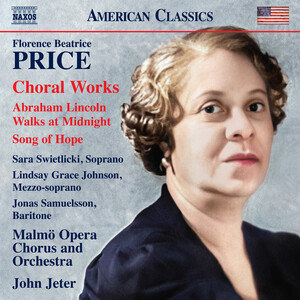 |
Price: Choral Works Malmo Opera Chorus, John Jeter [Conductor] Naxos 08 August 2025 |
|
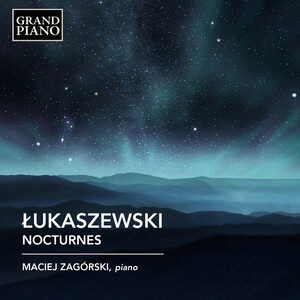 |
Łukaszewski: Nocturnes Performed by Maciej Zagórski [Piano] Grand Piano 08 August 2025 |
|
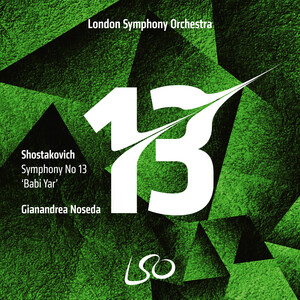 |
Shostakovich: Symphony No.13, 'Babi Yar' Performed by Gianandrea Noseda [Conductor], London Symphony Orchestra [Orchestra] LSO Live 08 August 2025 |
Start Your Classical Archives Subscription
If you do not wish to be contacted again about our developments, click <unsubscribe>
