Composer (MIDI)
Léo Delibes (1836-1891); FRA
 Loading, please wait...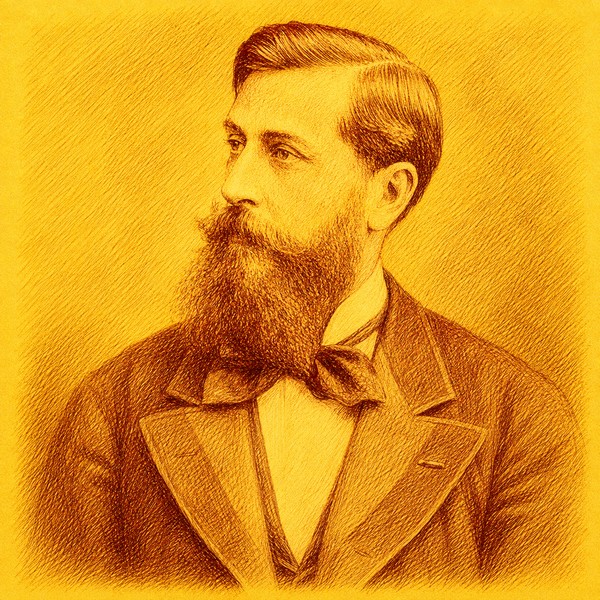
Léo Delibes (1836–1891) was a French composer best known for ballets and operas distinguished by melodic charm, rhythmic grace, and brilliant orchestration. Born at Saint-Germain-du-Val, he entered the Paris Conservatoire as a child, studying composition with Adolphe Adam and organ with François Benoist. Delibes initially worked as a church organist and as an accompanist and chorus master at the Théâtre Lyrique while composing operettas and other stage works. His career advanced decisively through ballet: music for La Source, written partly in collaboration with Ludwig Minkus, brought wider recognition, and later scores established him as a leading French theatrical composer. In 1881 he became professor of composition at the Paris Conservatoire. His music was admired by Tchaikovsky, who regarded Delibes’s ballet writing as an important model for the genre.
Delibes brought to ballet a degree of melodic distinction, orchestral color, and dramatic characterization that helped elevate the score from accompaniment to an essential component of theatrical expression. Coppélia, based on a story by E. T. A. Hoffmann, combines vivid dances, comic characterization, and memorable melodies, while Sylvia expands the orchestra’s expressive and symphonic role in ballet. Delibes’s most enduring opera, Lakmé, reflects nineteenth-century French fascination with exotic settings and contains the celebrated Flower Duet and the virtuoso Bell Song. He also composed songs, choruses, sacred works, and numerous earlier operettas. His transparent orchestration and instinctive feeling for dance strongly influenced later French ballet and contributed to the development that culminated in the great scores of Tchaikovsky and, eventually, the Ballets Russes era.

###
Read biography at allmusic.com.
|
|
Léo Delibes (1836–1891) was a French composer best known for ballets and operas distinguished by melodic charm, rhythmic grace, and... More
|
 Files of this type are not available at this time. Please select ALL from above.
 Click on a category to view the list of works
-
Stage Works
10 midis
- Operas
3 midis
- Lakmé (opera)
3 midis
- Lakmé (opera)
-
Ballets
7 midis
- Operas
-
Orchestral Works
6 midis
-
Vocal Works
1 midi
-
Choral Works
1 midi
- Messe brève, for chorus
1 midi
- Messe brève, for chorus
-
Choral Works
-
Stage Works
10 midis
- Operas
3 midis
- Lakmé (opera)
3 midis
- Lakmé (opera)
-
Ballets
7 midis
- Operas
-
Orchestral Works
6 midis
-
Vocal Works
1 midi
-
Choral Works
1 midi
- Messe brève, for chorus
1 midi
- Messe brève, for chorus
-
Choral Works