Composer (MIDI)
Karl Goldmark (1830-1915); HUN
 Loading, please wait...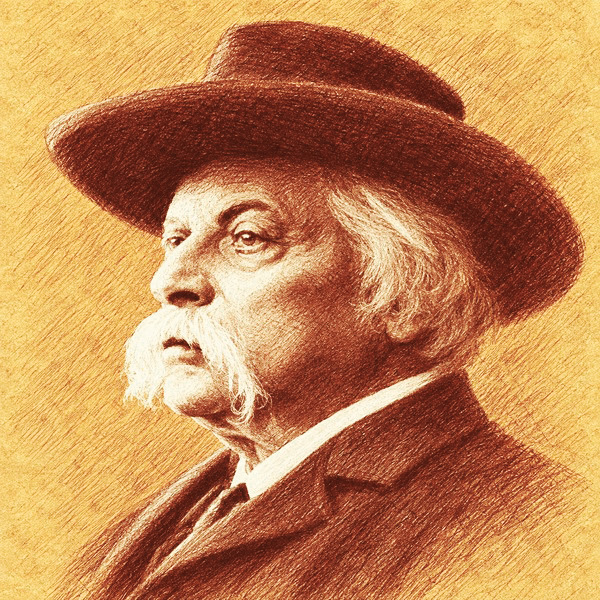
Karl Goldmark (1830–1915) was born in Keszthely, Hungary, into a large Jewish family and grew up in modest circumstances. He studied violin in Sopron and Vienna, briefly attending the Vienna Conservatory before political upheaval in 1848 interrupted his studies. Largely self-educated as a composer, he supported himself through orchestral playing and teaching while gradually establishing a reputation in Vienna. His breakthrough came with the concert overture Sakuntala, and his position was secured by the international success of his first opera. Goldmark became a respected figure in Viennese musical life and was personally acquainted with Johannes Brahms, though the two composers differed markedly in temperament and style.
Goldmark’s music combines German Romantic craftsmanship with colorful orchestration and an attraction to exotic and picturesque subjects. His opera Die Königin von Saba (The Queen of Sheba) became his greatest success and remained in the repertory for decades. His instrumental works include the Violin Concerto No. 1 in A minor, still frequently performed, the Rustic Wedding Symphony, and overtures such as Sakuntala and In Spring. Although his reputation declined after his death, the melodic warmth and orchestral richness of his finest works preserve an individual voice within the late-Romantic musical culture of the Austro-Hungarian Empire.

###
Read biography at allmusic.com.
|
|
Karl Goldmark (1830–1915) was born in Keszthely, Hungary, into a large Jewish family and grew up in modest circumstances. He... More
|
 Files of this type are not available at this time. Please select ALL from above.
 Click on a category to view the list of works
-
Orchestral Works
1 midi
-
Overtures and Other Orchestral Works
1 midi
- Sakuntala Overture, Op.13
1 midi
- Sakuntala Overture, Op.13
-
Overtures and Other Orchestral Works
-
Orchestral Works
1 midi
-
Overtures and Other Orchestral Works
1 midi
- Sakuntala Overture, Op.13
1 midi
- Sakuntala Overture, Op.13
-
Overtures and Other Orchestral Works